Expertise

Assault

SPEAK WITH AN ASSAULT LAWYER IN FAIRFIELD

handcuffs

Criminal Law Experts


Our criminal lawyers handle a wide range of cases, which include affray matters, traffic offences, drink driving, drug-related charges, theft, fraud, assault, and even serious offences like murder.

24/7 Criminal Law Advice


Legal matters don’t always happen during business hours. Our team is available 24/7 to provide legal advice, with an initial consultation offered at no cost.

Top-Tier Team


With a former police officer and senior prosecutor leading our criminal law team, we have a deep understanding of court processes, allowing us to develop strong defence strategies suited to each case.

Extensive Experience


Our lawyers have extensive courtroom experience, so we handle most summary offences without the need for a barrister. This keeps costs reasonable while maintaining effective legal representation.

Here To Help

An assault charge can lead to serious legal consequences, including a criminal record and possible imprisonment. Acting quickly and getting legal advice can make a difference in how your case unfolds. At Kells, our Fairfield assault lawyers are available 24/7 to provide legal advice, represent your interests, and build a solid defence for your case.

Crime


Area of Expertise

How We Can Assist in Assault Cases

Being accused of assault can have significant legal repercussions, including the potential for imprisonment. The strength of your defence and the legal team representing you can greatly influence the result of your case.

At Kells, our Fairfield assault lawyers have extensive experience defending clients against assault charges. We take a calculated and aggressive approach, assessing every aspect of the case to challenge the prosecution’s claims. Get in touch today to discuss your legal options and develop a defence strategy that’s built to protect your rights.

What do I do if I am charged with assault?

Assault charges range from minor offences to serious violent crimes. The type of charge you face will determine the potential penalties, which can include prison time. Common assault-related charges include:

  • Common Assault

    An individual can be charged with common assault even if no injury occurs. This can include unwanted physical contact, a punch that does not cause harm, or spitting on someone. Even verbal threats, without physical contact, may be considered common assault. The maximum penalty is 2 years in prison, though aggravating circumstances, such as assaulting a police officer, can result in more severe consequences.

  • Assault Occasioning Actual Bodily Harm

    This charge applies when an assault results in physical injury. While the law does not strictly define "actual bodily harm," it typically includes bruising, scratches, or minor psychological trauma. The maximum penalty is 5 years in prison, increasing to 7 years if the offence was committed with others. The prosecution does not need to prove intent—only that the assault caused harm and that the accused was responsible.

  • Reckless Wounding

    Wounding refers to any injury that breaks the skin, whether or not a weapon was involved. The seriousness of the charge depends on the severity of the injury and the circumstances, such as multiple strikes or the environment in which the incident took place. The maximum penalty for reckless wounding is 7 years in prison, increasing to 10 years if the offence was committed with others.

  • Reckless Grievous Bodily Harm

    What is grievous bodily harm?

    Grievous bodily harm (GBH) refers to serious injuries or permanent disfigurement. The law does not provide a strict definition of which injuries qualify, but a person can be charged even if the victim eventually recovers. It is up to the court to determine whether an injury meets the threshold for GBH. The maximum penalty for this offence is 10 years in prison, increasing to 14 years if committed with others.


    What constitutes recklessness?

    Recklessness means that the offender was aware that their actions could cause harm but proceeded regardless. The prosecution must show that the accused understood the potential consequences of their conduct. For example, if someone throws a punch knowing it could break the victim’s nose, they are considered reckless about the harm caused, meeting the legal standard for this offence.

  • Intent to Cause Grievous Bodily Harm

    This offence is similar to reckless GBH but requires intent to cause serious harm. The accused must have deliberately intended to inflict severe injury. The maximum penalty is 25 years in prison.

  • Assault of a Police Officer in the Line of Duty

    Assaulting a police officer is considered a serious offence, with courts focusing on deterrence. The maximum penalty is 5 years in prison. Additional offences related to police assault include:

    • Assault, throw missile at, stalk, harass or intimidate – maximum penalty is 5 years imprisonment
    • Assault occasioning actual bodily harm – maximum penalty is 7 years
    • Wound or inflict grievous bodily harm – maximum penalty is 12 years.
  • Assault Causing Death - ‘One Punch Legislation’

    This offence was introduced to address fatal one-punch assaults. It carries a mandatory minimum sentence of 8 years, with a maximum of 20 years, or 25 years if the offender was intoxicated at the time.


    To be convicted, the prosecution must prove that the assault involved a deliberate, unlawful strike that caused the victim’s death. While similar to manslaughter, this offence comes with harsher penalties.

  • Attempt to Choke

    Attempt to Choke

    Choking, suffocating, or strangling another person is a serious criminal offence, carrying a maximum penalty of 25 years in prison.

  • Administering an Intoxicating Substance

    This offence typically involves drink spiking but extends to administering alcohol, drugs, or any mind-altering substance with the intent to commit an indictable offence. If the substance is capable of causing harm, the penalty increases. The maximum sentence for this offence is 25 years imprisonment.

Other factors to consider

  • Factors Courts Consider in Assault Cases

    When evaluating the gravity of a personal violence offence, the court will consider the following elements:

    • Extent and Nature of the Victim’s Injuries: The seriousness of the victim’s injuries is key in assessing the offence's severity and determining the appropriate sentence. Generally, more serious injuries result in a more severe offence and a harsher penalty.
    • Degree of Violence Inflicted by the Offender: The level of violence used by the offender will influence the sentencing decision. More violent attacks typically incur more severe penalties.
    • Intention/Mental Element: This consideration is typically governed by the legislation that defines the offence.
  • Aggravating Factors

    Some circumstances can escalate an assault charge, leading to harsher penalties. These factors are commonly considered in personal violence offences and can heavily influence sentencing. When present, they increase the likelihood of stricter punishments being imposed by the court. Examples include:


    • Weapons – actual use or threatened use in the commission of the assault. This includes weapons such as knives, firearms, syringes, glasses or broken bottles
    • Premeditation – Where premeditation or planning is a factor, the court will look to the degree of premeditation when determining the seriousness of the offence committed
    • Unprovoked offence – Where the attack is unprovoked and unjustified
    • Offence committed in company – Where the offence is committed in the company of others
    • Vulnerable victim – Where the victim is vulnerable (for example, due to age, disability or occupation i.e. a service station attendant or bus driver or security officer)
    • Commission of offence in victim’s home – for example during a robbery or where the accused has entered the property of the victim and then assaulted them
    • Gratuitous cruelty – This is where the offence goes beyond just being violent in nature, it includes situations where the offender has gone beyond having no justification for causing pain. An example of gratuitous cruelty is found where the offender tortured the victim or the offender punches or kicks a pregnant woman in the stomach, causing a miscarriage. Another example of gratuitous cruelty was where a victim (who was 3) suffered 57 injuries including internal injuries and dehydration as well as bite marks
    • Substantial harm – Where the injury, emotional harm, loss or damage caused by the offence was substantial, for example where the victim has suffered ongoing medical problems and not been able to work as a result of the assault
    • Intoxication – Intoxication can be a result of either alcohol or drugs.
  • Mitigating Factors

    While some factors can increase the severity of an offence and result in a harsher sentence, others can reduce its seriousness. These mitigating factors may influence the court to impose a lesser penalty. Examples include:


    • Injury or harm not being substantial – for example if the victim’s wounds are healed or were not substantial in the first place
    • Provocation – where the offender was provoked by the victim into committing the offence
    • Sexual assault
    • Indecent assault
    • Drug possession and supply
    • Fraud charges
    • Money laundering
    • ASIC offences
    • Insider trading
    • Theft charges
    • Shoplifting
    • Firearms offences
    • Land and Environment Court prosecutions
    • Local Council prosecutions
    • Local Court, District Court and Supreme Court trials including homicide charges.

A conviction for assault can follow you for years, affecting multiple aspects of your life. Taking immediate action is critical. Led by former police officer and prosecutor Patrick Schmidt, our team is available around the clock to provide legal assistance. Call Patrick today at 0452 502 041 for confidential legal advice and a strong defence strategy.

OUR TEAM

Our Expert Lawyers

Get Expert Criminal Law Advice

If you would like to discuss your matter with our criminal law team, please get in touch. We are available 24/7 to help you and offer a free initial consultation.

Related Articles

By Harry Webb, Lawyer February 2, 2026
A criminal record is an official record of a person’s criminal convictions and interactions with the criminal justice system. What shows up on your record during a background check can vary depending on the type of offences and who is conducting the check. Are all offences included in my criminal record? Not every offence results in a criminal record. Some minor offences can be dealt with by Police on the spot (sometimes called an infringement or a ‘ticket’), rather than through the courts. This is usually a matter of discretion for the police, depending on the seriousness of the offence. If your matter goes to court and you are found guilty and sentenced, it will appear on your criminal record. How long does a criminal record last in NSW? Your criminal record is usually permanent, and a lifelong record is held by the police and the courts. However, some convictions can be: “Quashed” (overturned by the court) “Extinguished” (for certain historical offences which are no longer crimes), or Become “spent”, meaning they aren’t fully erased but become non-disclosable in most situations. What are ‘spent’ convictions? In NSW, the Criminal Records Act 1991 creates a scheme which allows minor criminal convictions to become "spent" after a crime-free period. Once a conviction is spent, you generally don't need to disclose it and it usually won’t show on a police check. This scheme was designed to prevent discrimination for people who have demonstrated a change in behaviour. There are exceptions to this scheme for more serious crimes and disclosure for certain jobs like teaching and policing. All offences can become “spent”, except: Convictions with prison sentences of more than 6 months Convictions for sexual offences Convictions imposed against bodies corporate Any offences set out in the regulations. Note: The “spent” convictions scheme applies to offences and convictions in jurisdictions outside of New South Wales (such as other states) which correspond (or which correspond as closely as possible) to the relevant New South Wales offences and convictions When is a conviction spent? Under Section 8(1) of the Criminal Records Act 1991 a conviction is spent on completion of the relevant ‘crime free’ period. This is automatic and you do not need to apply to have a conviction spent after the crime free period. For adults, this period is 10 consecutive years after the date of the conviction, during which: (a) The person has not been convicted of an offence punishable by imprisonment (b) The person has not been in prison because of a conviction for any offence and has not unlawfully been at large (c) There is no statutory or prescribed exclusion that applies For convictions in the Children’s court, this period is 3 consecutive years, where: (a) the person has not been subject to a control order, and (b) the person has not been convicted of an offence punishable by imprisonment, and (c) the person has not been in prison because of a conviction for any offence and has not been unlawfully at large. Who can see my “spent” convictions? If a conviction is “spent”, you generally do not have to disclose it, and any questions about your criminal history are taken to refer only to unspent convictions. However, there are exceptions. Spent convictions may still appear when checks are made for certain roles, including: working with children police officers / law enforcement teachers and teacher’s aides disability support work corrective services staff in immigration detention centres firefighting or fire prevention Law enforcement agencies, including all State and Territory police, can also access and share information about spent convictions to other law enforcement agencies and the court. Archives and libraries can also disclose to a member of public or to another library or archive material that contains information relating to spent convictions if the material is normally available for public use. Can someone disclose my spent convictions? It is an offence for anyone with lawful access to conviction records to disclose information about spent convictions without lawful authority. The maximum penalty for doing so is $5,500 fine and/or 6 months imprisonment. It is also an offence to obtain or attempt to obtain information concerning a spent conviction fraudulently or dishonestly, and this carries the same penalty. If you have a criminal record and are unsure about what will show up, or whether a conviction is spent, you should get in touch with a criminal lawyer. Contact our highly experienced criminal and traffic law team for a FREE consultation to help you understand your criminal record and what it means for you.
nsw bail laws kells lawyers
By Patrick Schmidt, Partner December 3, 2025
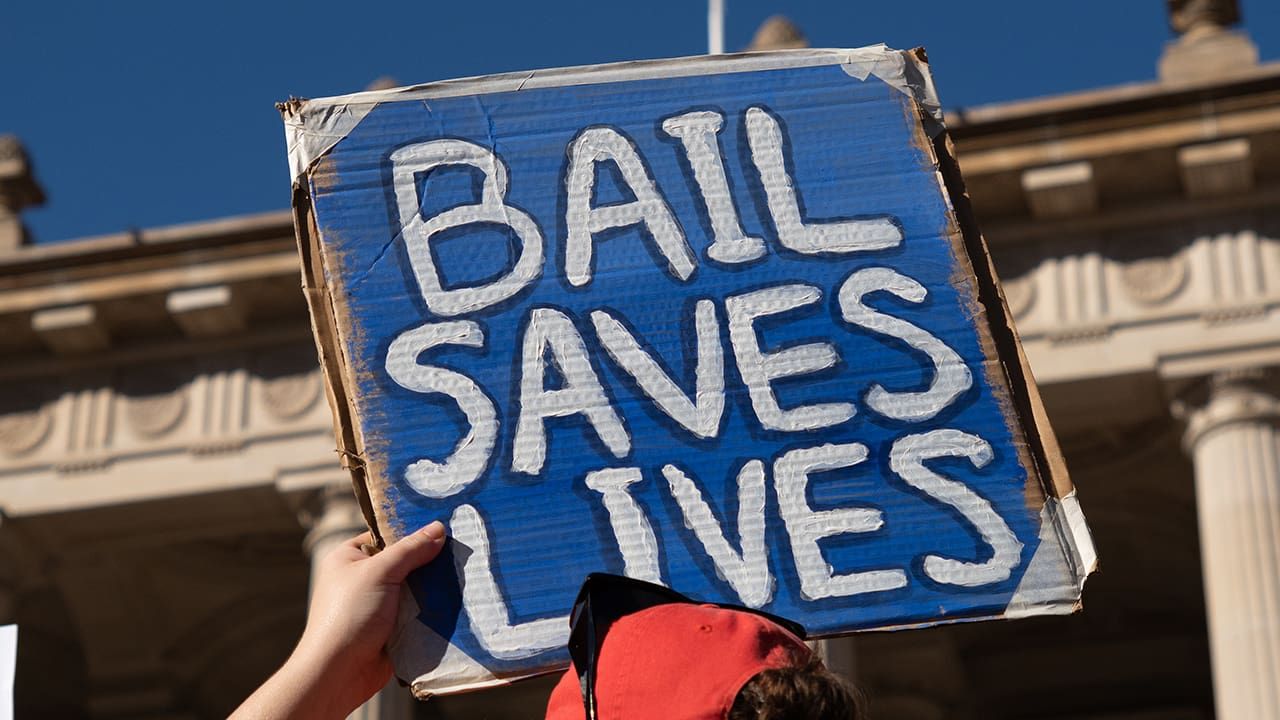
NSW bail laws tightened in 2024 – stricter “show cause” rules & unacceptable risk tests mean more people refused bail. Kells Criminal Lawyers fight for release 24/7.
A gloved hand holding a test tube over evidence bags with the word
By Patrick Schmidt, Partner October 1, 2025
Glenn Gary Cameron, the Night Stalker, is finally caught after 30 years. Learn how forensic science helped in this blog.
A person in handcuffs is wearing blue jeans
By Teagan McConchie, Lawyer June 26, 2025
Bail lets an accused await trial outside custody. Learn what courts consider and why legal help matters. Read on for expert legal insights on bail applications.
View More

Speak to a Criminal Lawyer

We’ll stand by you and protect your rights every step of the way—no matter the charge.

Crime


Area of Expertise