
Crime
Categories

NSW Police arrest over 900 in a major domestic violence blitz. Facing DV or ADVO charges in the Illawarra? Speak to our criminal defence lawyers today.
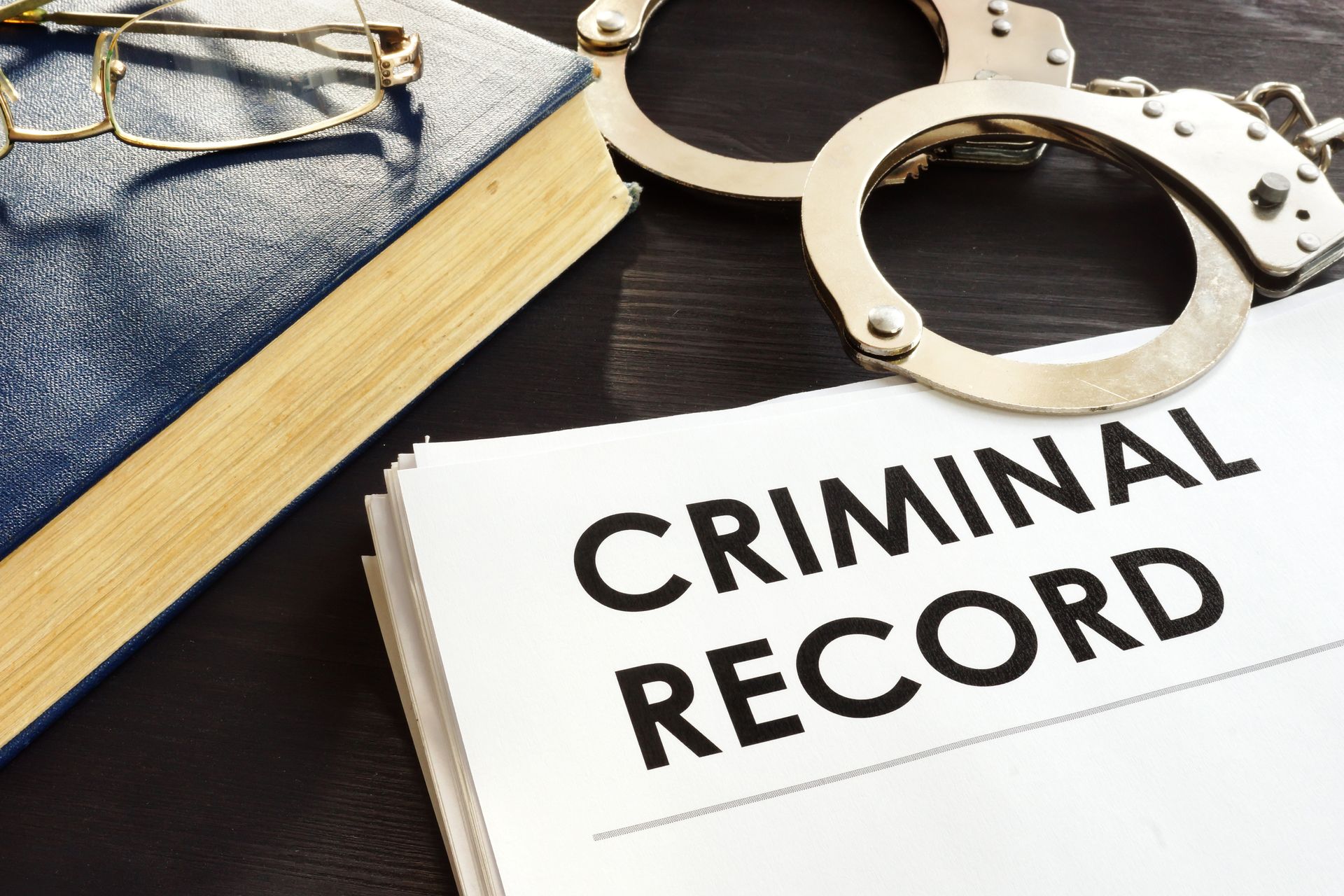
A criminal record is an official record of a person’s criminal convictions and interactions with the criminal justice system. What shows up on your record during a background check can vary depending on the type of offences and who is conducting the check. Are all offences included in my criminal record? Not every offence results in a criminal record. Some minor offences can be dealt with by Police on the spot (sometimes called an infringement or a ‘ticket’), rather than through the courts. This is usually a matter of discretion for the police, depending on the seriousness of the offence. If your matter goes to court and you are found guilty and sentenced, it will appear on your criminal record. How long does a criminal record last in NSW? Your criminal record is usually permanent, and a lifelong record is held by the police and the courts. However, some convictions can be: “Quashed” (overturned by the court) “Extinguished” (for certain historical offences which are no longer crimes), or Become “spent”, meaning they aren’t fully erased but become non-disclosable in most situations. What are ‘spent’ convictions? In NSW, the Criminal Records Act 1991 creates a scheme which allows minor criminal convictions to become "spent" after a crime-free period. Once a conviction is spent, you generally don't need to disclose it and it usually won’t show on a police check. This scheme was designed to prevent discrimination for people who have demonstrated a change in behaviour. There are exceptions to this scheme for more serious crimes and disclosure for certain jobs like teaching and policing. All offences can become “spent”, except: Convictions with prison sentences of more than 6 months Convictions for sexual offences Convictions imposed against bodies corporate Any offences set out in the regulations. Note: The “spent” convictions scheme applies to offences and convictions in jurisdictions outside of New South Wales (such as other states) which correspond (or which correspond as closely as possible) to the relevant New South Wales offences and convictions. When is a conviction spent? Under Section 8(1) of the Criminal Records Act 1991 a conviction is spent on completion of the relevant ‘crime free’ period. This is automatic and you do not need to apply to have a conviction spent after the crime free period. For adults, this period is 10 consecutive years after the date of the conviction, during which: The person has not been convicted of an offence punishable by imprisonment The person has not been in prison because of a conviction for any offence and has not unlawfully been at large There is no statutory or prescribed exclusion that applies. For convictions in the Children’s court, this period is 3 consecutive years, where: The person has not been subject to a control order, and The person has not been convicted of an offence punishable by imprisonment, and The person has not been in prison because of a conviction for any offence and has not been unlawfully at large. Who can see my “spent” convictions? If a conviction is “spent”, you generally do not have to disclose it, and any questions about your criminal history are taken to refer only to unspent convictions. However, there are exceptions. Spent convictions may still appear when checks are made for certain roles, including: working with children police officers / law enforcement teachers and teacher’s aides disability support work corrective services staff in immigration detention centres firefighting or fire prevention Law enforcement agencies, including all State and Territory police, can also access and share information about spent convictions to other law enforcement agencies and the court. Archives and libraries can also disclose to a member of public or to another library or archive material that contains information relating to spent convictions if the material is normally available for public use. Can someone disclose my spent convictions? It is an offence for anyone with lawful access to conviction records to disclose information about spent convictions without lawful authority. The maximum penalty for doing so is $5,500 fine and/or 6 months imprisonment. It is also an offence to obtain or attempt to obtain information concerning a spent conviction fraudulently or dishonestly, and this carries the same penalty. If you have a criminal record and are unsure about what will show up, or whether a conviction is spent, you should get in touch with a criminal lawyer. Contact our highly experienced criminal and traffic law team for a FREE consultation to help you understand your criminal record and what it means for you.

NSW bail laws tightened in 2024 – stricter “show cause” rules & unacceptable risk tests mean more people refused bail. Kells Criminal Lawyers fight for release 24/7.

Glenn Gary Cameron, the Night Stalker, is finally caught after 30 years. Learn how forensic science helped in this blog.

Bail lets an accused await trial outside custody. Learn what courts consider and why legal help matters. Read on for expert legal insights on bail applications.

Kells Lawyers explain when NSW Police can search you, your rights, and what to do if stopped. Know the law. Read more from our criminal defence experts.

In a NSW police interview, you may encounter specific questions depending on your role. Prepare for common themes and key questions. Click to find out more.

Double demerits apply this October long weekend. Kells the Lawyers can help with traffic offences. 24/7 support and free first consultation.

New industrial manslaughter laws carry up to 20 years in prison or fines up to $18 million for employers responsible for worker deaths due to reckless health and safety negligence. Read here.
Subscribe
Want to get the latest articles and news delivered to your inbox?